
I’ve been reading a lot about the techniques and philosophy of street photography lately, here are some tips I’ve picked up:
- Talk to people [if you want to take their photo]
- Go where the people are
- Be patient, or not
- It’s ok to stage photos
- Frames are everywhere
- Focus on a theme
- Seek out good light
Talk to people
I was under the impression that a solitary photographer could, through observation alone, could develop a collection of amazing people-centric photos. Then I read Bryan Peterson’s book, Understanding Street Photography, and realized that behind what seems like serendipity is often a short conversation and a request for permission. However, this may require interacting with strangers, which can be very intimidating. Tellingly, I have approximately zero photos of this type!
Go to where the people are
Where there are more people, there is generally a density of things happening worth photographing. Plus, in crowded places, people are less interested in someone wandering around and taking pictures. If you know there’s going to be a street festival, sporting event, or parade, those are good places to go.
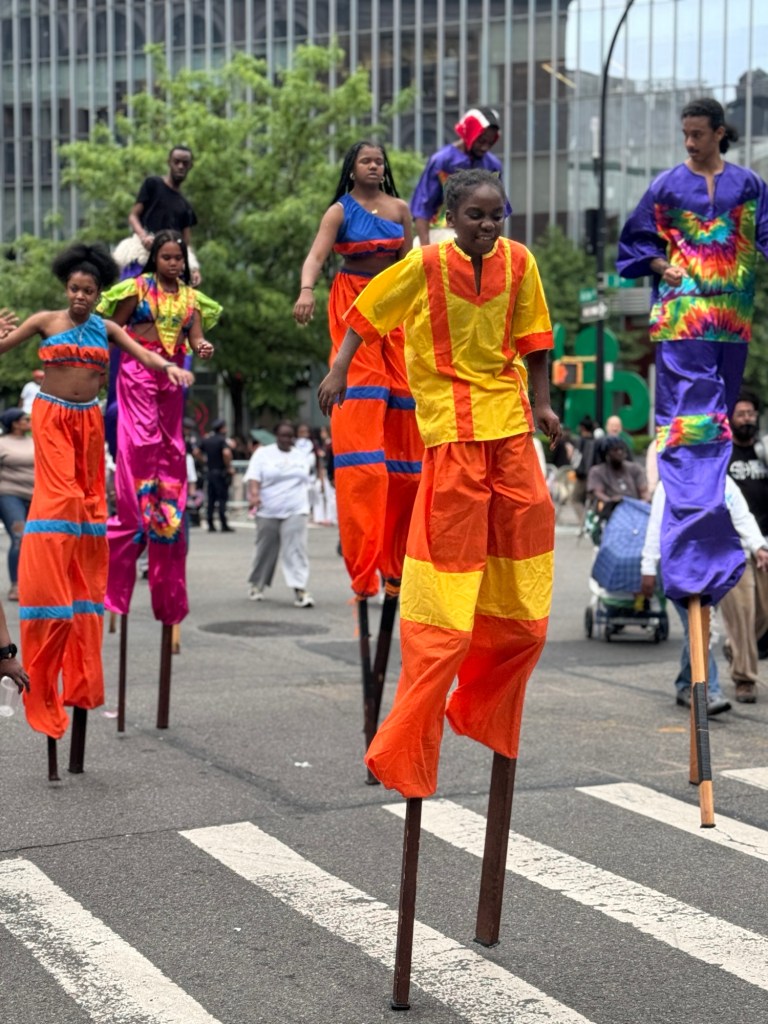
Be patient, or not
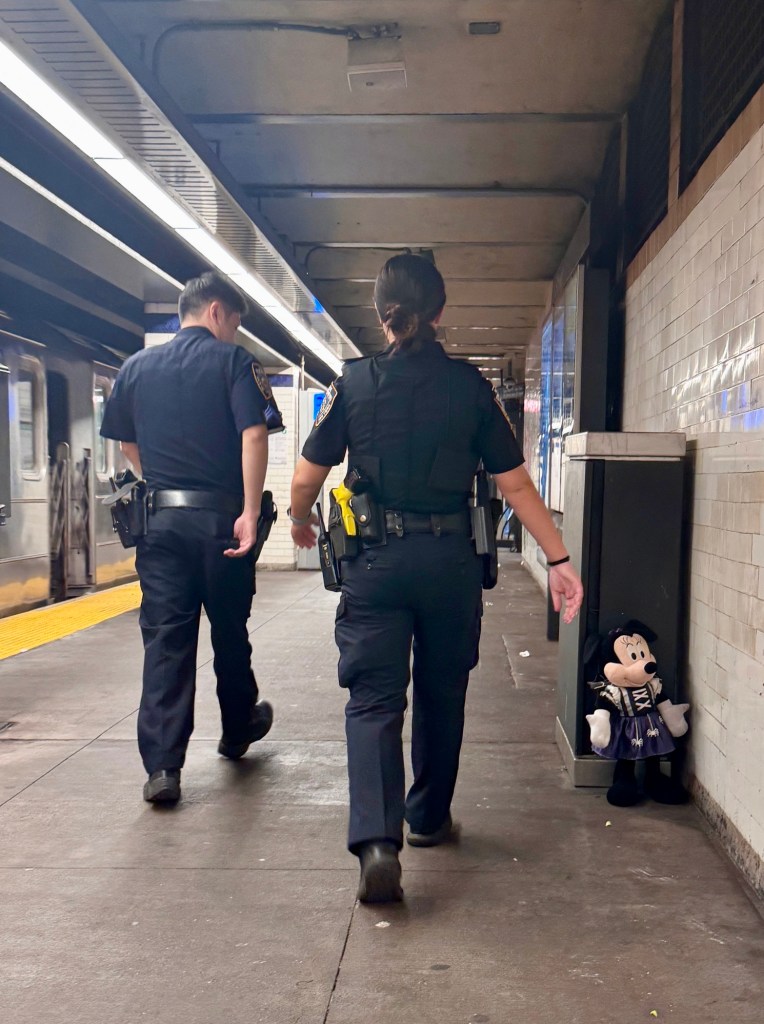
Sometimes you find the right place to take a photo, but there’s no interesting focal point, e.g., a person, dog, bicycle, etc. This can require waiting and being patient until someone or something interesting crosses your scene. Sometimes for minutes or even hours.
The opposite of this is the “shoot from the hip” approach, though it is somewhat difficult and feels a bit furtive, which makes me feel odd. It does however allow you to keep moving, which is nice if you’re out for a walk.
It’s ok to stage photos
Part of getting the shot can be to move clutter or ask someone to stand in a certain way. Better to fix it in real life than to try fixing by editing after the fact. Perhaps now that most people shoot digital, “fixing it in post” seems like an easier solution, but even easier is not capturing that blemish in the first place.
Frames are everywhere
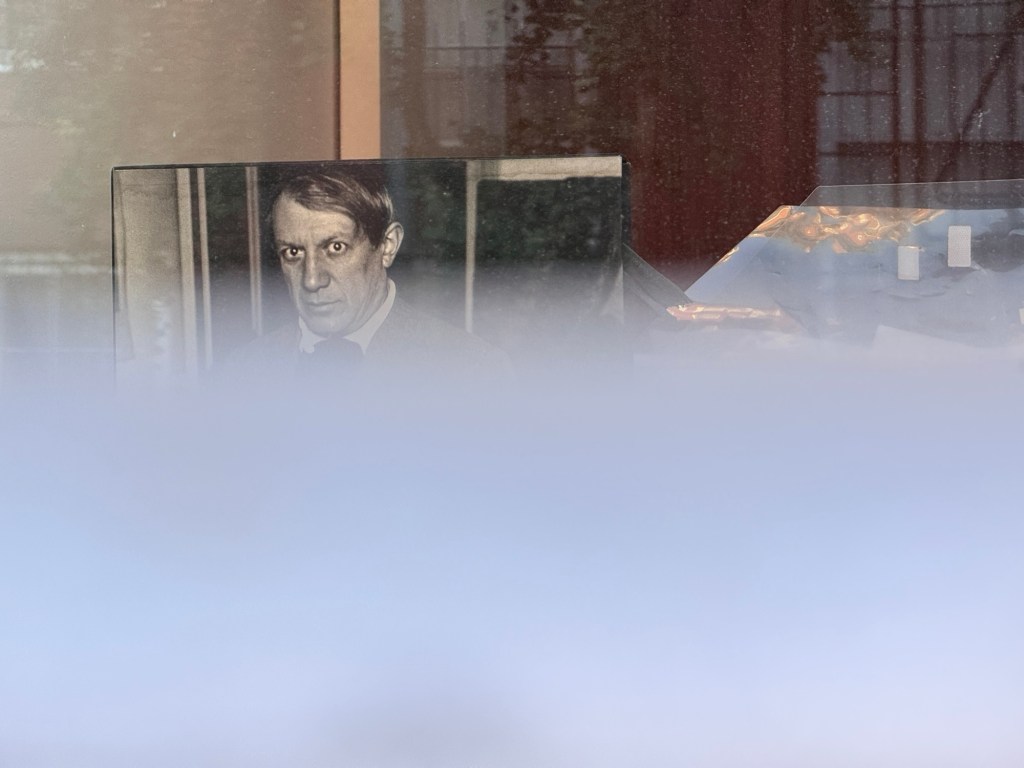
My photos have tended to lack foreground interest, since I just pick up the camera and shoot at my main subject. Purposely placing something interesting in the foreground, e.g., a puddle, a partial obstruction, a splash of color, etc., really increases three-dimensionality and can make an image more engaging.
Focus on a theme
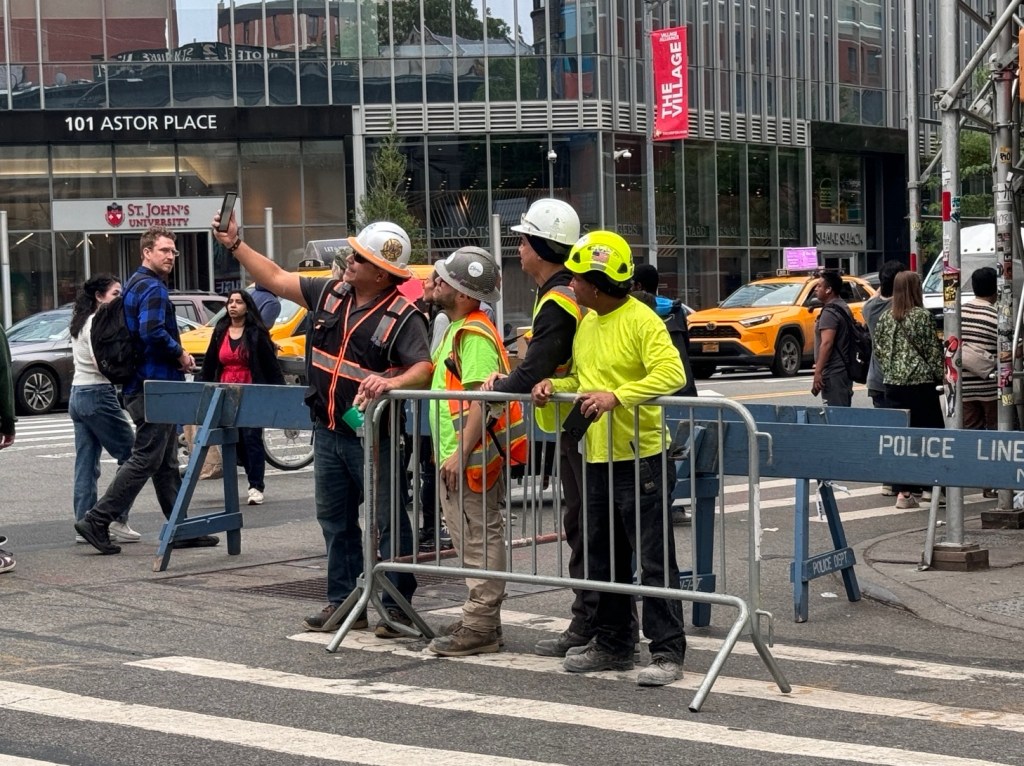
Sometimes we need a prompt for our creativity to focus around. It can be a new technique, such as framing, or a recurring theme. I like hard shadows, construction sites, food carts. One way to find these themes is to look back through your photos, take note of which catch your attention, and look for commonalities.
On the day of the photo below, I was looking out for neon yellow and happened to see these construction workers taking selfies while watching a parade.
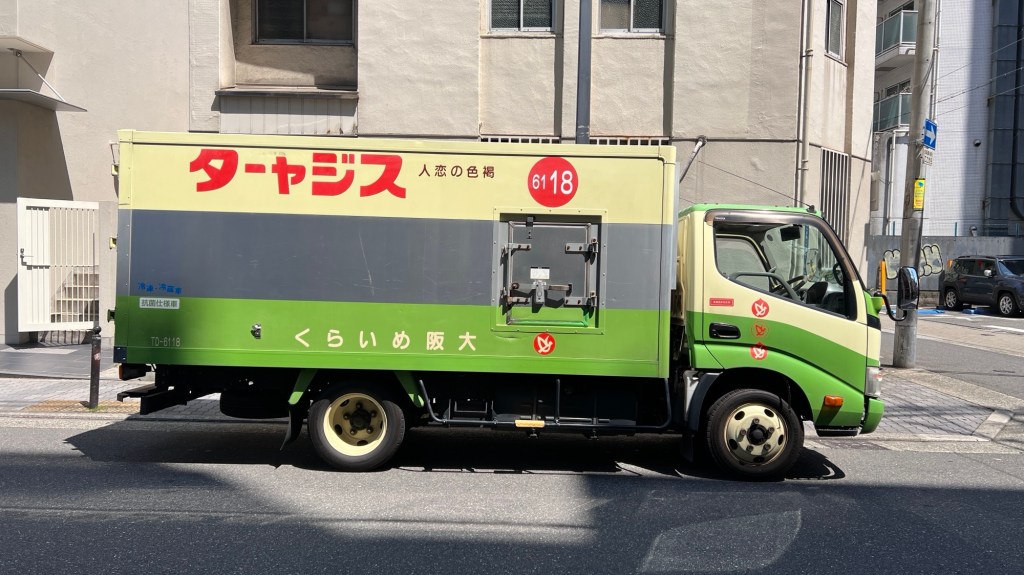
On vacation in Japan, I started taking pictures of vending machines. In Japan I also started taking pictures of delivery trucks, something I’ve continued while back in New York.

Seek out good light
There’s been much written about golden hour, and blue hour, the times right before and after sunset. For the early risers, these times occur in reverse before and after sunrise. This is called “quality of light” and apparently professional photographers plan their day around it.

I’ve also heard the remark that light in New York City is always good. The harsh shadows off the skyscrapers at midday always leave something interesting to capture.
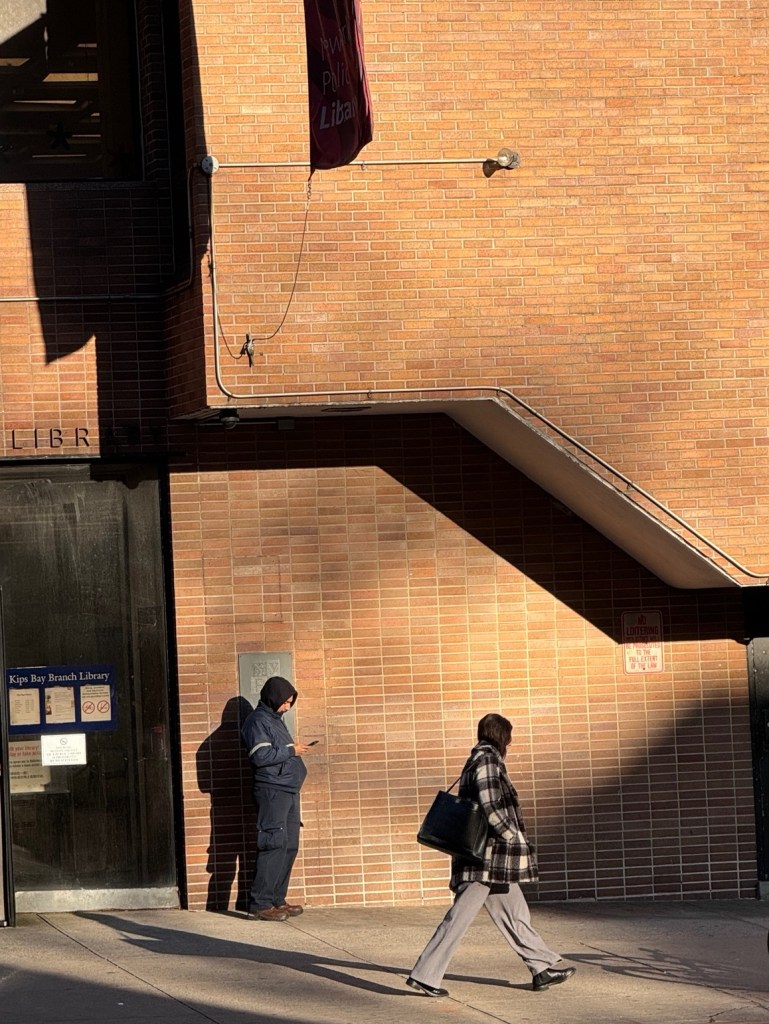
Our wholly unremarkable local public library always captures great light and shadow, so I have dozens of photos of it despite it being a drab ’70s public building.

 Hops Trains and Backpacks
Leave a comment